


Dr. Sebi’s nutritional and herbal philosophy stood apart from mainstream herbalism. Rather than focusing on symptom management or pharmacological effects, he evaluated plants based on alkalinity, mineral conductivity, non-hybridization, mucus elimination, and ancestral compatibility with the human body.
Using these criteria, many popular herbs were excluded from his recommendations.
Below are 17 commonly used herbs and plants that Dr. Sebi did not recommend. Dr. Sebi regarded these as hybrid and / or compromised.
1. Garlic (Allium sativum)
Garlic is a heavily domesticated, sterile plant propagated clonally. It is considered acid-forming, mucus-producing, and overly aggressive in the gut, disrupting beneficial flora rather than rebuilding the body.
2. Aloe Vera (Aloe barbadensis miller)
Aloe vera is a hybrid — particularly the latex portion can be harsh to the intestinal lining.
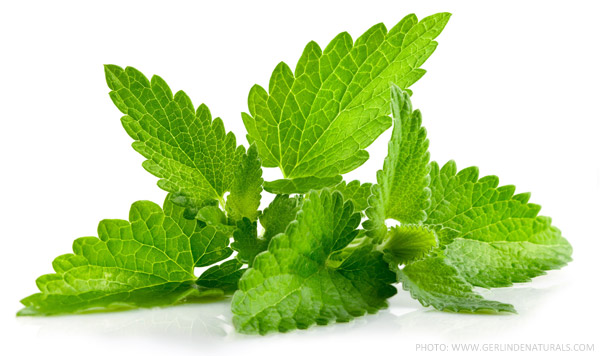
3. Peppermint (Mentha × piperita)
Peppermint is a botanical hybrid (water mint × spearmint). Dr. Sebi rejected hybrids because they lack the electrical and mineral integrity of wild plants.
4. Licorice Root (Glycyrrhiza glabra)
Licorice contains glycyrrhizin, which can disrupt mineral balance and adrenal function when used long term.
5. Comfrey (Symphytum officinale)
Comfrey contains pyrrolizidine alkaloids known to stress the liver. Avoid herbs that promote rapid tissue growth without detoxification.
6. Ginkgo Biloba
Although ancient, ginkgo acts pharmacologically rather than mineral-electrically. It does not directly remove mucus or rebuild mineral balance.
7. Goldenseal (Hydrastis canadensis)
Goldenseal is rich in berberine, an alkaloid with antibiotic-like properties.
8. Echinacea (Echinacea spp.)
Reason not recommended:
Immunity is restored through detoxification and alkalinity, not stimulation.
9. Turmeric (Curcuma longa)
Turmeric is a sterile, triploid plant and a starchy rhizome. Such foods can be classified as acid-forming and non-conductive.
10. St. John’s Wort (Hypericum perforatum)
This herb influences neurotransmitters and behaves like a natural pharmaceutical.
11. Lemongrass (Cymbopogon citratus)
Though aromatic, lemongrass is domesticated and acidic if overused.
12. Periwinkle (Catharanthus roseus)
Periwinkle contains highly toxic alkaloids and is the source of chemotherapy drugs.
13. Maca Root (Lepidium meyenii)
Maca is a starchy tuber that stimulates hormones without removing mucus or acidity.
14. Ginseng (Panax spp.)
Ginseng acts as a stimulant and adrenal tonic. Reject stimulants in favor of nourishment and mineral restoration.
15. Noni (Morinda citrifolia)
Despite popularity, noni is highly astringent and fermentative, often irritating to the digestive system.
16. Kava Kava (Piper methysticum)
Kava is a sedative narcotic, often sterile and clonally propagated. Avoid substances that depress the nervous system and burden the liver.
17. Guarana (Paullinia cupana)
Guarana is extremely high in natural caffeine, acting as a powerful stimulant. True energy comes from clean blood and mineral balance, not excitation.
Closing Insight
Dr. Sebi’s teachings were not about popularity or tradition, but about biological compatibility.
He emphasized that healing occurs when the body is:
- Free of mucus
- Electrically balanced
- Properly mineralized
- Nourished by non-hybridized, natural plants
This framework explains why many well-known herbs are excluded, while lesser-known African and wild plants are central to his protocol.