


Traditional Mucus-Reducing Effects (Dr. Sebi Context)
Dr. Sebi revealed Seville orange has mucus-reducing properties. In lectures he described that the fruit – squeezed over the head could stimulate mucus to run from the nasal passages.
This statement reflects Dr. Sebi’s broader view that certain plants can:
- Stimulate the lymphatic system
- Loosen and mobilise stagnant mucus
- Encourage expulsion of waste through the body’s natural elimination
Within this framework, mucus movement was interpreted as a sign of stimulation and release, not illness.
Seville Orange Herbal Profile
(Bitter Orange)
Botanical Name
Citrus × aurantium L.
Common Names
Seville orange, Bitter orange, Sour orange, Bigarade orange
Family
Rutaceae
Parts Used
- Peel (fresh or dried)
- Fruit rind
- Flowers (neroli)
- Leaves
- Essential oil (from peel or flowers)
Botanical Description
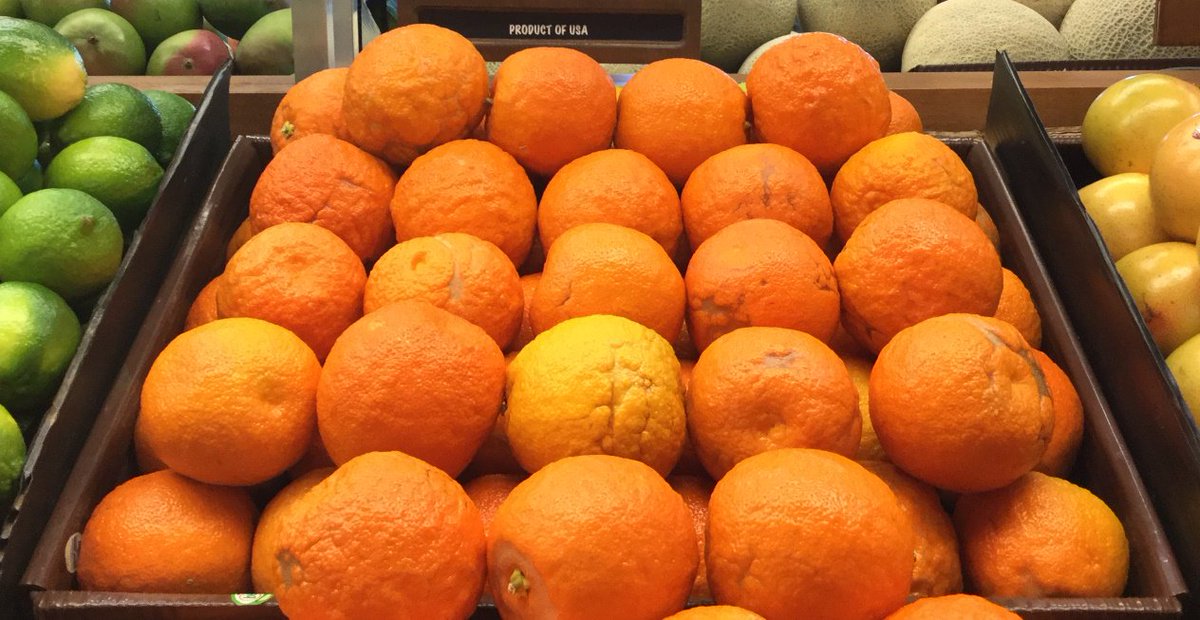
Seville orange is a small to medium-sized evergreen tree with glossy dark green leaves, fragrant white flowers, and round, deeply aromatic fruit. The fruit resembles sweet orange but is smaller, rough-skinned, intensely bitter, and acidic, making it unsuitable for fresh eating. It is traditionally cultivated in Spain (Seville), the Mediterranean, North Africa, the Caribbean, and parts of Africa.
Below is a clear, botanically accurate statement of the hybrid status of Seville orange, suitable for direct inclusion in your article or monograph.
Hybrid Status & Botanical Parentage of Seville Orange
Seville orange (Citrus × aurantium L.) is a natural hybrid citrus species.
Parentage
Botanical and genetic evidence indicates that Seville orange arose from ancient hybridisation between:
- Pomelo (Citrus maxima)
- Mandarin (Citrus reticulata)
This cross occurred through natural cross-pollination, likely thousands of years ago in Southeast Asia, long before modern agricultural breeding techniques.
Classification Notes
- The “×” in Citrus × aurantium denotes hybrid origin
- It is considered an ancient, stabilised hybrid, not a recent cultivar
- It is not genetically modified (non-GMO)
- It reproduces relatively true to type compared to many modern citrus varieties
Contextual Distinction
While hybrid in origin, Seville orange differs significantly from modern sweet oranges in that it:
- Retains strong bitter and acidic phytochemistry
- Contains higher levels of bitter flavonoids and volatile oils
- Is traditionally used in medicinal, aromatic, and functional preparations, rather than as a sweet fruit
This places Seville orange closer to ancestral citrus forms than to heavily hybridised commercial oranges (Citrus × sinensis), which involve additional genetic contributions and selective breeding for sweetness.
Energetics (Traditional Herbalism)
- Taste: Bitter, sour, aromatic
- Thermal nature: Cooling to neutral
- Primary actions: Bitter tonic, digestive stimulant, circulatory stimulant, aromatic nervine
Key Phytochemical Constituents
- Flavonoids (hesperidin, naringin, neohesperidin)
- Alkaloids (synephrine, octopamine, tyramine – primarily in peel)
- Volatile oils (limonene, linalool, myrcene)
- Pectin
- “Vitamin C”
- Bitter principles
Medicinal Actions
- Bitter digestive tonic
- Carminative
- Mild laxative
- Cholagogue (supports bile flow)
- Circulatory stimulant
- Nervine (aromatic, calming yet uplifting)
- Antimicrobial
- Mild appetite regulator
Traditional & Medicinal Uses
1. Digestive Health
Seville orange peel has been used traditionally to:
- Stimulate digestion and appetite
- Relieve bloating, gas, and sluggish digestion
- Support bile secretion and liver function
- Improve absorption of nutrients
In European and African herbal traditions, bitter orange peel is often included in digestive bitters, taken before meals to “wake up” the digestive system.
2. Liver & Gallbladder Support
The bitter principles stimulate bile flow, making Seville orange valuable for:
- Congested liver conditions
- Fat digestion
- Supporting gentle detoxification pathways
It is often paired with herbs such as dandelion root, gentian, or yellow dock.
3. Nervous System & Emotional Balance
The aroma of bitter orange (especially the flowers and peel) has long been used to:
- Calm nervous tension
- Reduce anxiety and restlessness
- Lift low mood
- Support sleep when stress-related
Neroli (flower oil) has a particularly long history in aromatic medicine for emotional grounding.
4. Cardiovascular & Circulatory Support
Traditionally, bitter orange was used in small amounts to:
- Improve circulation
- Support heart tone
- Warm cold extremities
Historically, it was considered a gentle circulatory stimulant, though modern use requires more discernment due to synephrine content.
5. Metabolic & Appetite Support
In traditional systems, bitter orange was used to:
- Regulate appetite
- Support metabolism
- Reduce sluggishness associated with damp or stagnant digestion
This use was not for rapid weight loss, but rather for restoring digestive tone.
6. Antimicrobial & Immune Support
The peel and essential oil exhibit:
- Antibacterial activity
- Antifungal properties
- Mild immune-supportive actions
Traditionally used during colds, digestive infections, and food-related illnesses.
Preparations & Usage Examples
1. Bitter Orange Peel Tea (Digestive Tonic)
Ingredients:
- 1 teaspoon dried Seville orange peel
- 1 cup hot water
Method:
Steep covered for 10-15 minutes.
Drink 10-20 minutes before meals.
Uses:
- Improves digestion
- Reduces bloating
- Stimulates appetite
2. Digestive Bitters Formula (Traditional)
Example blend:
- Bitter orange peel
- Gentian root
- Dandelion root
- Fennel seed
Preparation:
Tincture in alcohol (1:5 ratio).
Take 5-15 drops before meals.
3. Neroli (Flower) Infusion
Used primarily for:
- Nervous tension
- Mild anxiety
- Sleep support
Often combined with lemon balm, chamomile, or lavender.
4. Culinary-Medicinal Use
Seville oranges are famously used in:
- Marmalades
- Herbal syrups
- Fermented tonics
These preparations preserve both digestive and antimicrobial benefits.
Cultural & Historical Uses
- Widely used in Arabic, Mediterranean, African, and Caribbean traditions
- Introduced to Europe via Moorish influence
- A key ingredient in traditional liqueurs, bitters, and tonics
- Flowers historically used in bridal wreaths, symbolizing purity and calm
Safety, Contraindications & Cautions
- Bitter orange contains synephrine, which may raise blood pressure in sensitive individuals
- Avoid high-dose extracts or stimulatory supplements
- Use caution if pregnant, breastfeeding, or on cardiovascular medication
- Whole herb preparations (tea, traditional bitters) are considered far gentler than isolated compounds
Dr. Sebi-Aligned Perspective (Contextual Note)
From a Dr. Seb-inspired or alkaline framework:
- Bitter orange is not generally emphasized due to hybridization and acidity
- However, small traditional uses of the peel for digestive bitters are historically acknowledged
- Whole-plant, non-extracted use is preferred over concentrated supplements
Summary
Seville orange is a powerful traditional bitter with a long history in digestive, liver, nervous system, and aromatic medicine. When used respectfully and in its whole form, it serves as a valuable tonic herb rather than a stimulant.
References
- British Herbal Pharmacopoeia
- European Medicines Agency (EMA) Herbal Monographs
- Mills, S. & Bone, K. Principles and Practice of Phytotherapy
- Duke, J.A. Handbook of Medicinal Herbs
- Bown, D. Encyclopedia of Herbs and Their Uses
- World Health Organization (WHO) Monographs on Selected Medicinal Plants