


Herb Profile: Prodigiosa (Brickellia cavanillesii)
Prodigiosa is a powerhouse of the Mexican materia medica. Its name literally translates to “prodigious” or “miraculous,” a testament to its dramatic effectiveness – especially in its role as a “natural insulin.” It is famous for its intense bitterness, which is the hallmark of its digestive and metabolic actions.
Many people wonder if Brickellia cavanillesii is simply an outdated name for another herb, particularly Brickellia grandiflora. While the two are often confused and even used interchangeably in local markets, they are, in fact, two distinct botanical species with different primary regions and subtle differences in traditional emphasis. This profile focuses on Brickellia cavanillesii, the species most traditionally and scientifically recognized as the “true” Mexican Prodigiosa.
Quick Comparison: Brickellia cavanillesii vs Brickellia grandiflora
| Feature | Brickellia cavanillesii | Brickellia grandiflora |
| Common Name | Prodigiosa, Hamula, Amula | Tassel Flower, Brickellbush |
| Primary Region | Central & Southern Mexico | Western US & Northern Mexico |
| Plant Type | Large shrub (up to 3 meters) | Perennial herb (up to 1 meter) |
| Traditional Focus | Diabetes (hypoglycemic), gastric ulcers | Digestion, gallbladder, stomach ache |
| Flavor Profile | Extremely bitter | Bitter |
1. Botanical Names & Taxonomy
- Scientific Name: Brickellia cavanillesii (Cass.) A. Gray
- Family: Asteraceae (Daisy/Sunflower family)
- Common Names: Prodigiosa, Hamula, Atanasia amarga, Hierba del becerro, Brickellbush.
- Botanical Synonyms: Coleosanthus cavanillesii, Eupatorium squarrosum. (These are the “outdated names” that often cause confusion, referring to B. cavanillesii when it was classified under different genera.)
2. Habitat & Distribution
- Origin: Native to Mexico and Central America.
- Environment: It thrives in seasonally dry tropical biomes, often found in rocky soils, scrublands, and along roadsides from Chiapas in the south to Durango in the north.
3. Physical Description
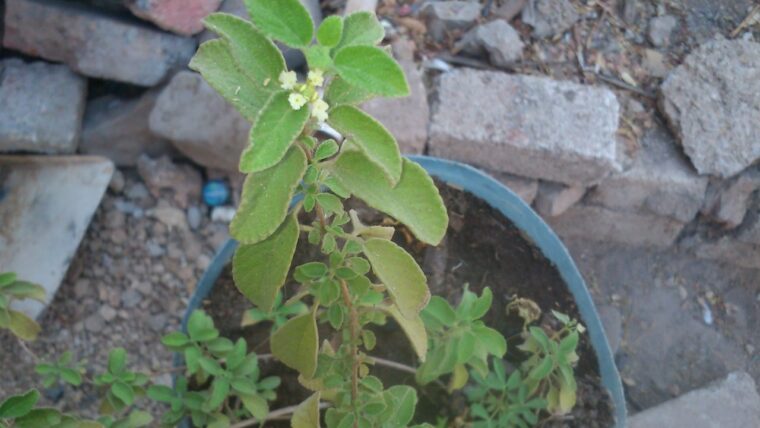
- A hardy, woody shrub that can grow up to 3 meters (9 feet) tall.
- It features serrated, ovate leaves that feel somewhat sand-papery and stiff.
- Small, yellowish-white tubular flower heads that lack the showy “petals” (ray florets) typical of many other daisies. The flowers tend to cluster.
4. Chemical Constituents
The “miraculous” effects of Prodigiosa come from its unique secondary metabolites:
- Sesquiterpene Lactones: Specifically Calein C, which has been scientifically identified as a potent -glucosidase inhibitor. These compounds are responsible for much of its intense bitterness and blood sugar-lowering effects.
- Flavonoids: Including Acacetin, Luteolin, and Nicotiflorin, which contribute to its anti-inflammatory and anxiolytic (anxiety-reducing) properties.
- Essential Oils: Contains various terpenes (limonene, germacrene) that may aid in gastric protection and contribute to its aroma.
5. Actions & Traditional Uses
Prodigiosa is primarily used for its hypoglycemic (blood sugar lowering), choleretic (bile stimulating), and stomachic (digestive aiding) properties.
- Type 2 Diabetes: Famously used as a “natural insulin” in Mexico. It works by slowing the absorption of carbohydrates in the gut, thereby helping to manage post-meal blood sugar spikes.
- Gastrointestinal Health: Highly regarded for treating gastric ulcers, gastritis, “empacho” (indigestion), and general stomach discomfort. It stimulates bile flow, aids in the digestion of fats, and offers protection to the stomach lining.
- Liver & Gallbladder Support: Often used as a bitter tonic to “cleanse” the liver, stimulate liver function, and alleviate symptoms associated with gallbladder stagnation or mild stones.
- Anxiety & Stress: Emerging pharmacological studies suggest it has mild sedative and anxiolytic effects, potentially contributing to its traditional use for “nervous stomach.”
- The “Bitter Flush”: Traditionally used as a tonic to “flush” the system after periods of overindulgence in heavy, fatty, or sugary foods.
6. Herbal Energetics
In traditional systems of medicine, herbs are classified by their “temperature” and “moisture” effects on the body.
- Temperature: Cold. As an intensely bitter herb, Prodigiosa is used to “clear heat.” In Mexican tradition, it addresses conditions of “inner heat,” such as fevers, inflammatory gallbladder issues, and the metabolic “heat” associated with high blood sugar imbalances.
- Moisture: Drying. Bitters generally have a drying effect on the tissues. It helps clear “dampness” or stagnation in the digestive tract, which can manifest as excessive mucus or slow, sluggish digestion.
- Flavor: Acrid and Intensely Bitter. This bitterness is its primary medicine; it signals the liver to produce bile, the pancreas to release digestive enzymes, and the body to initiate deep digestive processes.
- Tissue States: It is primarily indicated for Tension (spasms in the gut, liver congestion) and Heat/Excitation (inflammation of the gastric lining, elevated blood sugar).
7. Parts Used & Harvesting
- Parts Used: Primarily the leaves and stems (aerial parts), often including the flowers.
-
Harvesting: The Flower vs. Leaf Debate:
- The Traditional Approach (During Flowering): Many curanderos and traditional wildcrafters harvest the flowering tops. At this stage, the plant is at its peak height, and the aromatic volatile oils are most present. Using the flowers along with the leaves provides a “whole-plant” synergy that many believe is more spiritually and physically balanced.
- The Phytochemical Approach (Pre-Flowering): Scientific analysis often suggests harvesting the leaves just as the flower buds appear but before they fully open. This is because the plant eventually redirects its medicinal compounds – specifically the bitter sesquiterpene lactones – from the leaves into the flowers and seeds. For maximum “bitter power” concentration in the foliage, the pre-flowering leaf is often preferred.
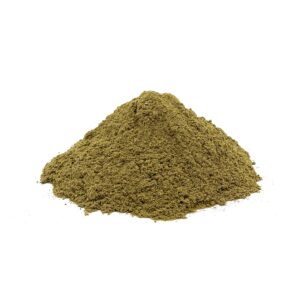
- Pro-Tip for Consumers: Most commercially available Prodigiosa is sold as “Aerial Parts,” which includes a mix of leaves, tender stems, and dried flower heads. This is perfectly acceptable and effective for general use.
8. Herbal Recipes
Note: Prodigiosa is famously bitter. Many practitioners recommend “chasing” it with a slice of orange or a small bit of agave after consumption, rather than sweetening the tea itself, to allow the bitter taste to fully stimulate digestion.
-
Standard Decoction (The “Traditional” Tea):
- Place 1 tablespoon of dried Prodigiosa leaves/stems/flowers in 1 liter (about 4 cups) of cold water.
- Bring to a boil and then reduce heat, simmering gently for 5 – 10 minutes.
- Strain the herb material and drink 1 small cup (approx. 4 – 6 oz) 20 – 30 minutes before each main meal.
-
Cold Infusion:
- For those sensitive to heat or seeking a “cooler” preparation, soak the dried herb in cold water overnight (8-12 hours). Strain and consume as above. This method is sometimes preferred to preserve delicate compounds or align with specific energetic uses.
9. Safety & Precautions
- Hypoglycemia Risk: Due to its significant blood sugar-lowering effects, do not combine Prodigiosa with pharmaceutical diabetes medications (like Metformin, glipizide, or insulin) without strict medical supervision, as it may cause dangerously low blood sugar levels.
- Pregnancy/Nursing: Avoid use during pregnancy and lactation, as there is insufficient safety data regarding its effects on fetal development or infants.
- Surgery: Discontinue use at least 2 weeks before any scheduled surgery, as it may affect blood glucose control and potentially interact with anesthesia.
- Gallstones: While traditionally used for gallbladder issues, individuals with severe gallstones should consult a healthcare professional before use, as stimulating bile flow can sometimes cause discomfort.
- Taste Aversion: Its extreme bitterness can be a deterrent for some and may cause nausea if consumed in excessive amounts. Start with smaller doses.
10. Traditional & Spiritual Significance
Beyond its physical benefits, Prodigiosa holds cultural importance:
- Spiritual Cleansing (Limpias): In some regions, bitter herbs like Prodigiosa are used in limpias (traditional spiritual cleansings) to remove perceived “heavy” or negative energy from a person’s energetic field, mirroring its ability to clear physical stagnation and bitterness from the body.
11. Quick Summary Table for Your Readers
| Attribute | Profile |
| Primary Action | Hypoglycemic, Bitter Tonic, Gastroprotective |
| Energetics | Cold / Drying |
| Best Harvest Time | Early flowering (for balance) or Bud stage (for potency) |
| Key Compound | Calein C (Sesquiterpene lactone) |
| Safety Warning | Do not mix with pharmaceutical diabetes medication without supervision |
12. Frequently Asked Questions (FAQ)
Q: How long does it take for Prodigiosa to work? A: For immediate digestive issues like gas or bloating, many people feel the “bitter effect” within 15-30 minutes of drinking the tea. For blood sugar management, consistent use over several weeks is typically required, alongside regular glucose monitoring.
Q: Can I sweeten Prodigiosa tea? A: While you can add agave or date sugar, traditional herbalists often advise against it. The intense bitter flavor is what triggers the cephalic phase of digestion – sending signals to your liver and pancreas to start working. If the bitterness is too much, try chasing the tea with a slice of orange or grapefruit instead of sweetening the brew itself.
Q: Is Prodigiosa the same as Dream Herb (Calea zacatechichi)? A: No, but they are often confused because both are Mexican shrubs in the Asteraceae family and both are incredibly bitter. Calea zacatechichi is primarily used for lucid dreaming and sleep, whereas Brickellia cavanillesii (Prodigiosa) is focused on metabolic and digestive health.
Q: Does Prodigiosa help with weight loss? A: It is not a “fat burner” in the stimulant sense. However, by improving bile production, supporting liver health, and helping to regulate blood sugar levels, it can be a supportive ally in a holistic weight management plan by improving metabolic efficiency.
Q: Can I take Prodigiosa every day? A: Traditionally, Prodigiosa is often used as a “curative” rather than a daily tonic for life. It is typically taken in cycles – for example, drinking the tea for 9 to 14 days, followed by a break of at least one week. Long-term uninterrupted use is generally not recommended without the guidance of a qualified herbalist due to its potency.
Q: Why is it called “Dr. Sebi’s Prodigiosa”? A: The late herbalist Dr. Sebi popularized the use of Brickellia cavanillesii within his “Alkaline Diet” protocols. He recommended it primarily for its ability to “cleanse” the blood and support the pancreas, which brought this traditional Mexican herb to a much wider international audience.
13. Selected References
- Escandón-Rivera, S., et al. (2012). “α-glucosidase inhibitors from Brickellia cavanillesii.” Journal of Natural Products. (Identified Calein C as a key antidiabetic compound).
- Villarreal, G. A., et al. (2014). “Antidiabetic and antihypertensive effect of Brickellia cavanillesii.” Planta Medica.
- Eshiet, E. R., & Smith, E. E. (2014). “Chemical characterization of Brickellia cavanillesii using gas chromatographic methods.” Journal of Food Science.
- Navarrete, A., et al. (2011). “Gastroprotective effect of Brickellia cavanillesii in rats.” Journal of Ethnopharmacology.
- Mata, R., et al. (2013). “Mexican Antidiabetic Herbs: Valuable Sources of Compounds to Identify Potential Therapeutic Targets.” Journal of Natural Products.
- Heinrich, M., et al. (1998). “Mexican Medicinal Plants: A Review of Phytopharmacology and Ethnobotany.” Journal of Ethnopharmacology.
- Azaizeh, H., et al. (2003). “The importance of traditional environmental knowledge in ethnomedicine.” Journal of Ethnobiology and Ethnomedicine.
Looking to add this “Prodigious” herb to your home apothecary? Always ensure you are sourcing from a reputable supplier that identifies the plant by its botanical name, Brickellia cavanillesii, to ensure you are getting the authentic species and its full spectrum of traditional benefits. Consult with a qualified healthcare practitioner or herbalist before incorporating new powerful herbs into your regimen, especially if you have underlying health conditions.