


If you’re tired of feeling heavy and sluggish after typical “American favorites” like burgers, heavy pasta, or sugary sodas, you aren’t alone. The Dr. Sebi Alkaline Diet promises a path toward more energy, clearer skin, and better overall health by focusing on natural, mucus-reducing plant foods.
But let’s be real: making the switch can feel daunting when you’re balancing a busy schedule, family meals, and a world full of processed temptations. The good news? You don’t have to do it all at once. Based on the experiences of thousands who have successfully made the shift, here are seven practical tips to help you transition smoothly.
Tip 1: Get Educated – Start with the Official Guide
Before you spend a dime at the grocery store, you need to know the “rules of the road.” Dr. Sebi’s approach is specific: eat only approved alkaline foods (no hybrids, no animal products, no processed items).
- The Blueprint: Visit drsebiscellfood.com to find the updated Nutritional Guide.
- Focus on US Staples: You can find many approved items at your local market, including kale, dandelion greens, avocados, zucchini, berries, dates, and quinoa.
- Avoid Pitfalls: Watch out for “healthy” imposters. Common pitfalls include hybrid carrots, white potatoes, and canned foods. Even garlic – a staple in many kitchens – is excluded from the official list.
Tip 2: Transition Gradually – Ease In
Going “cold turkey” can lead to a “detox crash” characterized by headaches and fatigue. To avoid overwhelm, try a phased approach:
- Weeks 1-2: Cut out one acidic group at a time. Start with dairy and red meat, then move to processed sugars.
- Smart Swaps: Replace white rice with fonio, wild rice, quinoa or amaranth. Use avocado to get that creamy texture you crave instead of cheese.
- Listen to Your Body: If you feel tired, hydrate with extra spring water and allow yourself more rest.
Tip 3: Stock a US-Friendly Kitchen
You don’t need a specialty boutique to eat alkaline. Major retailers like Trader Joe’s, Whole Foods, and Walmart carry the essentials.
| Category | Budget-Friendly Items |
| Produce | Organic kale, spinach, limes, ginger, and avocados. |
| Grains | Quinoa packs and spelt pasta (found in health aisles). |
| Superfoods | Sea moss gel (or raw gold sea moss to DIY). |
| Pantry | Dates for sweetness, walnuts, and onion powder/basil for flavor. |
Pro Tip: Buy seasonal produce at farmers’ markets and bulk grains online (via Thrive Market or Amazon) to keep costs down.
Tip 4: Manage Cravings & Social Situations
The hardest part of any lifestyle change is the “Friday Night Pizza” craving or the neighborhood BBQ.
- Alkaline Alternatives: Craving fries? Bake sliced zucchini or squash with approved oils. Want pizza? Make a spelt flatbread with a homemade tomato and onion sauce.
- The “Bring a Dish” Rule: At parties, bring a large alkaline salad (kale, avocado, and lime). It ensures you have something delicious to eat and introduces others to the lifestyle.
- Hydrate: Keep a 1-gallon jug of spring water with you. Often, we mistake thirst for hunger.
Tip 5: Master Simple, Batch-Friendly Recipes
You don’t need to be a chef to succeed. Focus on “quick wins” that you can prep in advance:
- Quinoa Bowls: Batch-cook quinoa and top it with steamed veggies and sliced avocado.
- Green Smoothies: Blend soft-seeded bananas, dates, sea moss, and greens for a fast breakfast.
- Alkaline Tacos: Use nori wraps or large lettuce leaves as shells for a veggie-and-grain filling.
Tip 6: Support Your Body with Herbs
Dr. Sebi’s protocol emphasizes “therapeutic” herbs to help the body eliminate toxins.
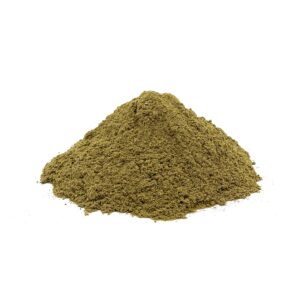
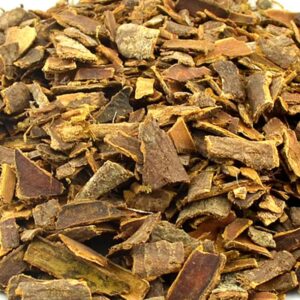
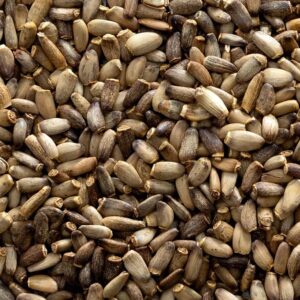
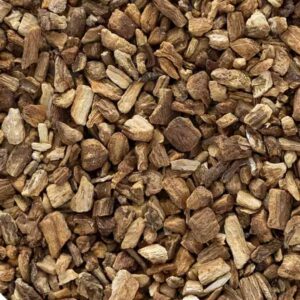
- The “Big Three”: Look for Burdock root, Sarsaparilla, and Dandelion teas.
- Start Slow: These herbs are potent. Begin with one cup a day to see how your body reacts before increasing your intake. You can find these easily on RootznWellness, iHerb, Herbs of Mexico or Amazon.
Tip 7: Track Progress & Find Your Tribe
Transformation is a marathon, not a sprint. Most people see significant changes within 30 to 90 days.
- Journal Your Wins: Note when your energy spikes, when your digestion feels “lighter,” or when your skin begins to glow.
- Join a Community: Look for Dr. Sebi-focused groups on Facebook, Reddit, or Instagram. Sharing recipes and struggles with others makes the journey much easier.
Final Thoughts
Transitioning to an alkaline lifestyle isn’t about overnight perfection; it’s about sustainable progress toward your best self. Start with just one of these tips this week and watch how your body thanks you.
Simple 3-Day Sample Meal Plan
Here is a simple, 3-day sample meal plan to help you kickstart your alkaline journey. These meals are designed to be quick, nutrient-dense, and strictly follow the Dr. Sebi Nutritional Guide.
Day 1: The Transition Starter
- Breakfast: Alkaline Green Smoothie. Blend 2 small soft-seeded bananas (burro or baby bananas), a handful of kale, 2 dates (pitted), 1 tbsp sea moss gel, and 1 cup of spring water.
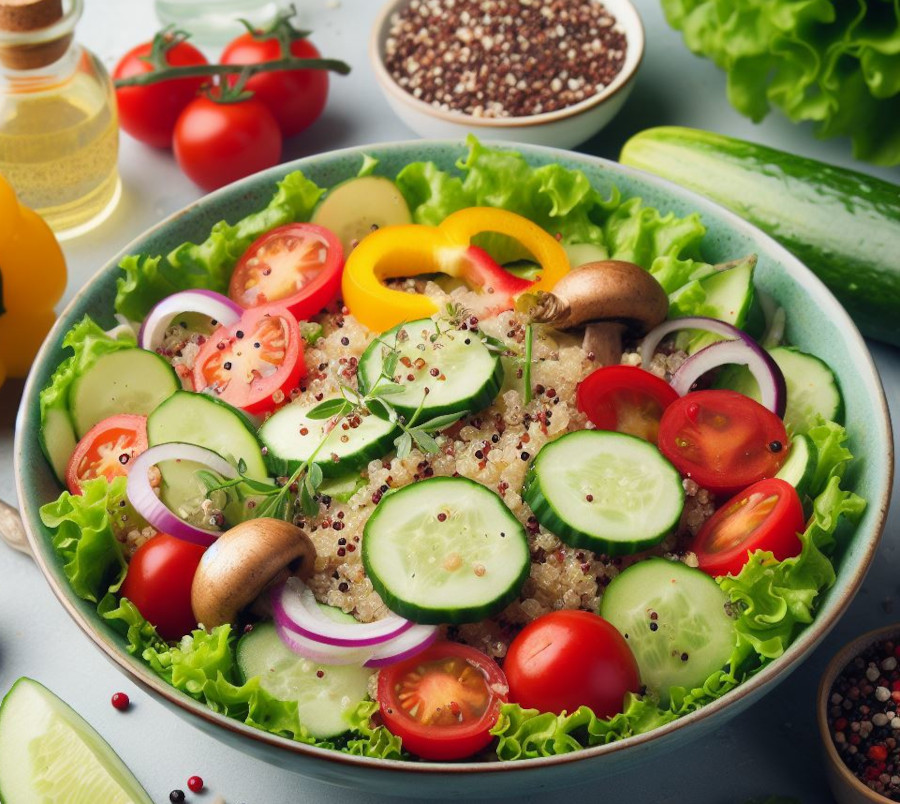
- Lunch: Quinoa Salad Bowl. Cooked quinoa mixed with diced cucumber, cherry tomatoes, and red onion. Dress with freshly squeezed lime juice, avocado oil, and sea salt.
- Dinner: Zucchini Noodles (Zoodles). Spiralized zucchini sautéed lightly in grapeseed oil with sliced bell peppers and onions. Season with onion powder, oregano, and basil.
- Snack: A handful of walnuts or 2-3 dried figs.
Day 2: The Hearty Fuel
- Breakfast: Warm Amaranth Porridge. Boil amaranth grain in spring water until creamy. Stir in agave nectar (or date syrup) and top with fresh blueberries or sliced strawberries.
- Lunch: Avocado “Tacos.” Use large Romaine lettuce leaves or Nori sheets as wraps. Fill with sliced avocado, hemp seeds, and thin strips of red bell pepper.
- Dinner: Spelt Pasta Primavera. Spelt noodles tossed with sautéed mushrooms, zucchini, and a “sauce” made of mashed avocado, lime, and sea salt.
- Snack: Sliced cucumber with a dash of sea salt and cayenne pepper.
Day 3: The Detox Support
- Breakfast: Fruit Platter. A large bowl of seeded watermelon, cantaloupe, and blackberries. (Dr. Sebi often recommended eating fruit alone in the morning for better digestion).
- Lunch: Chickpea-Free “Hummus” & Veggies. Blend steamed zucchini, tahini (sesame butter), lime juice, and onion powder until smooth. Serve with sliced chayote squash or cucumber spears.
- Dinner: Alkaline Vegetable Soup. A hearty broth of spring water, diced squash, mushrooms, kale, and onions. Season heavily with coriander, savory, and a pinch of habanero if you like heat.
- Snack: 3-4 dates stuffed with a walnut half.
Daily Hydration & Tea Ritual
To see the best results, remember the “Gallon a Day” rule:
- Morning: 1 cup of warm Dandelion Root tea to wake up the liver.
- Throughout the Day: Sip on Spring Water (aim for a pH of 7.0 or higher).
- Evening: 1 cup of Sarsaparilla or Burdock Root tea to support blood cleansing while you sleep.
inspired by DR. SEBI’S NUTRITIONAL GUIDE
By Julian Gooden
Disclaimer: This article is for informational purposes and is not medical advice. Always consult with a professional and experienced herbalist or natural health provider before making significant dietary changes, especially if you have underlying health conditions.