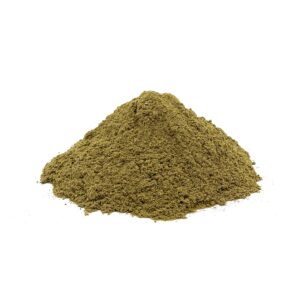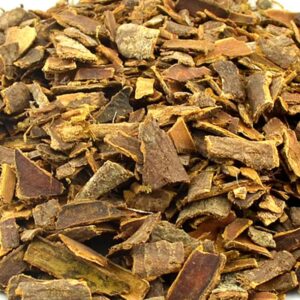


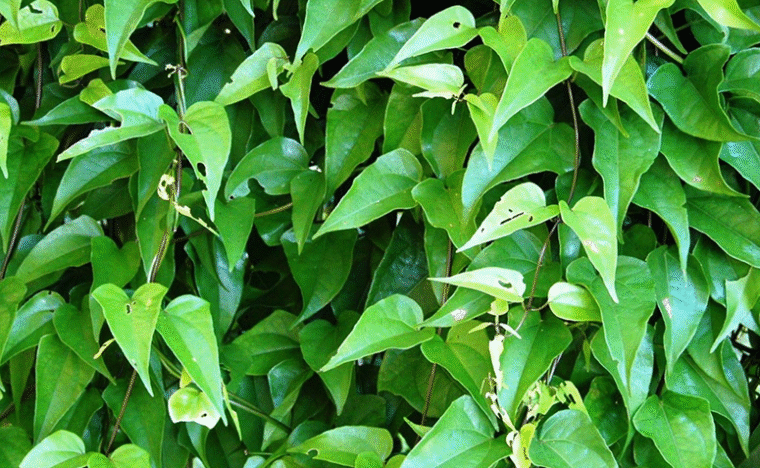


Dr. Sebi often spoke about Guaco as one of the herbs he used in healing. When we research Guaco we see that there are more than one species of plant referred to as guaco.
The name “guaco” does not refer to a single species, but rather to several closely related members of the Mikania genus (family Asteraceae).
1. Mikania glomerata
Primary species in Brazilian phytotherapy
- Most widely cultivated and commercially standardized
- Officially recognized in Brazilian pharmacopeial references
- High coumarin content
- Commonly used in syrups for bronchial conditions
- Considered the “standard” guaco in modern herbal preparations
This is the species most frequently found in regulated guaco products.
2. Mikania laevigata
Closely related and often interchangeable
- Morphologically similar to M. glomerata
- Comparable phytochemical profile
- Used interchangeably in many South American traditions
- Similar bronchodilatory and expectorant actions
In practice, many herbalists treat M. glomerata and M. laevigata as functionally equivalent.
3. Mikania guaco
Historically referenced species
- Traditionally used in Colombia and northern South America
- One of the earliest species associated with the name “guaco”
- Shares similar coumarin-based respiratory actions
- Less commonly standardized in modern commercial products
This species is important historically but is less dominant in contemporary herbal commerce.
Phytochemical & Functional Similarity
All three species share:
- Coumarins (notably responsible for bronchodilation)
- Flavonoids
- Essential oils
- Anti-inflammatory constituents
Their therapeutic profiles are therefore broadly aligned:
- Bronchodilator
- Expectorant
- Antispasmodic
- Respiratory mucus regulator
Differences are primarily botanical and regional rather than pharmacological.
References
1. Agência Nacional de Vigilância Sanitária (ANVISA). (2019). Formulário de fitoterápicos da Farmacopeia Brasileira (2nd ed.). Ministério da Saúde.
2. Duke, J. A. (2002). Handbook of medicinal herbs (2nd ed.). CRC Press.
3. Farmacopeia Brasileira. (2019). Farmacopeia Brasileira (6th ed.). Agência Nacional de Vigilância Sanitária (ANVISA). Monograph: Mikania glomerata Spreng.
4. Figueiredo, C. A., Leite, J. P. V., & Vieira, I. J. C. (2010). Anti-inflammatory activity of coumarin from Mikania glomerata. Phytomedicine, 17(2), 120–125.
5. Lorenzi, H., & Matos, F. J. A. (2002). Plantas medicinais no Brasil: Nativas e exóticas. Instituto Plantarum.
6. Napimoga, M. H., et al. (2007). Anti-inflammatory and antimicrobial activities of coumarin: Mechanistic insights. International Immunopharmacology, 7(3), 347–354.
7. Ruppelt, B. M., Pereira, E. F. R., Gonçalves, L. C., & Pereira, N. A. (1991). Pharmacological screening of plants recommended by folk medicine as anti-snake venom. Journal of Ethnopharmacology, 34(1), 45–50.
8. Santos, S. C., Krueger, C. L., Steil, A. A., & Biavatti, M. W. (2006). Chemical composition and antimicrobial activity of essential oils from Mikania species. Journal of Essential Oil Research, 18(1), 63–66.