


Colon Disease Through the Lens of the African Bio-Mineral Balance
When we speak about colon disease from the perspective of the African Bio-Mineral Balance, we are not merely referring to a medical diagnosis. We are examining a breakdown in the body’s electrical, mineral, and eliminative integrity.
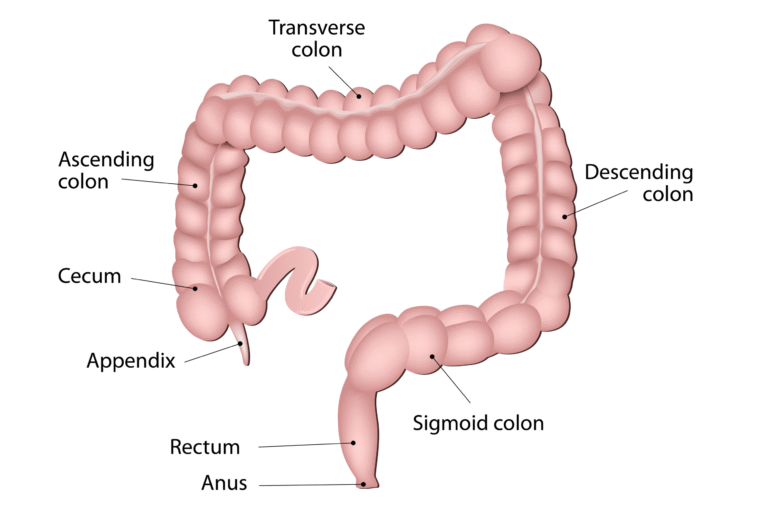
According to the teachings of Dr. Sebi, the colon is not just a digestive tube – it is a central elimination organ, a regulator of systemic cleanliness, and a reflection of internal balance.
Understanding colon disease requires us to step outside the conventional disease model and examine root causation.
The Foundational Principle: One Disease, Many Names
Dr. Sebi consistently stated that there is only one disease – mucus accumulation.
From this perspective:
- Acid-forming foods produce mucus.
- Mucus obstructs tissues.
- Obstructed tissues lose electrical vitality.
- Mineral depletion follows.
- Degeneration begins.
Whether labeled as:
- Colitis
- Diverticulitis
- Polyps
- Chronic constipation
- Colon cancer
…the underlying cause is viewed as the same: accumulated waste and mineral imbalance within the intestinal tract.
The Colon as an Electrical Organ
In the African Bio-Mineral Balance framework, the human body is bioelectric.
For tissues to function properly, they must:
- Maintain proper mineral composition
- Conduct electrical impulses efficiently
- Eliminate waste consistently
The colon plays a critical role in all three.
When waste is retained:
- Toxins re-enter circulation
- The liver becomes burdened
- The lymphatic system stagnates
- Inflammation increases
Over time, this stagnation weakens the intestinal walls, creating the conditions for more serious degeneration.
What Causes Colon Disease in This Model?
1. Hybrid & Mucus-Forming Foods
Dr. Sebi emphasized that many modern foods are hybridized and mucus-forming. These include:
- Meat and dairy
- Wheat and corn
- Processed sugar
- Refined starches
- GMO and chemically treated crops
These foods are believed to leave adhesive residues in the intestinal tract, leading to fermentation and putrefaction.
When elimination is incomplete, that residue accumulates.
2. Mineral Depletion
The colon requires minerals such as:
- Magnesium
- Iron (plant-based)
- Calcium (from alkaline herbs)
- Potassium
When these minerals are lacking, tissue elasticity declines. The colon becomes dry, sluggish, and inflamed.
Mineral-deficient tissue cannot contract efficiently, leading to constipation and stagnation.
3. Inadequate Elimination
From this perspective, optimal elimination should be:
- Effortless
- Complete
- Regular
Bloating, straining, foul odor, and incomplete evacuation are signs that the colon is not functioning at its natural capacity.
Interpreting Common Colon Conditions
Within the African Bio-Mineral Balance model:
- Constipation reflects dryness and mineral deficiency.
- Ulcerative colitis reflects inflammation from acid waste.
- Diverticulosis reflects weakened colon walls.
- Polyps reflect localized mucus accumulation.
- Colon cancer reflects advanced acidic degeneration.
While conventional medicine identifies cellular mutations and immune dysregulation, this framework focuses on internal terrain and toxicity.
Restoring the Colon: The Sebi Approach
Restoration focuses on three principles:
1. Remove the Cause
Eliminate mucus-forming foods and transition to approved alkaline plant foods such as:
- Amaranth
- Teff
- Fonio
- Zucchini
- Cucumber
- Dandelion greens
- Avocado
- Seeded fruits
This reduces acid waste and allows the body to begin self-cleansing.
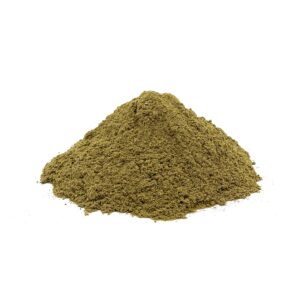
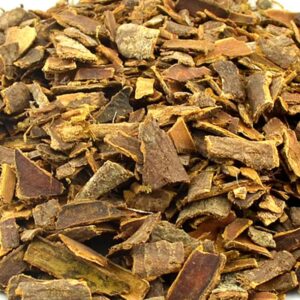
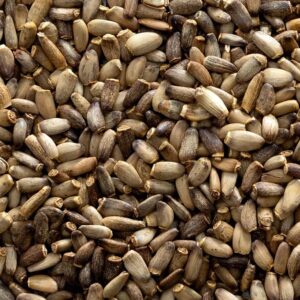
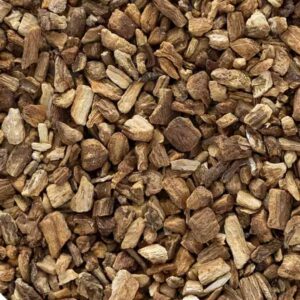
2. Support Elimination with Herbs
Traditional colon-support herbs often include:
- Cascara sagrada
- Rhubarb root
- Prodijiosa
- Yellow dock
- Dandelion root
- Sarsaparilla
- Nopal (Prickly Pear Cactus)
These herbs are used not for dependency, but to help rehydrate and stimulate the colon while rebuilding mineral content.
3. Rebuild Electrical Integrity
The African Bio-Mineral Balance emphasizes:
- Mineral-rich herbs
- Natural spring water
- Proper hydration
- Nervous system balance
The colon is innervated by the autonomic nervous system. Chronic stress disrupts peristalsis and contributes to stagnation. Thus, healing also requires rest and emotional regulation.
A Balanced Perspective
It is important to acknowledge:
Severe colon symptoms – persistent bleeding, unexplained weight loss, chronic pain – require medical evaluation. Integrative awareness is essential.
The African Bio-Mineral Balance provides a terrain-based explanation for colon disease, focusing on internal environment rather than isolated pathology.
Final Reflection
Colon disease, in this framework, is not random. It is a signal.
It signals:
- Accumulated waste
- Mineral depletion
- Loss of electrical harmony
When the terrain is restored, the body’s innate intelligence begins to correct itself.
The question is not simply: What disease do I have?
The deeper question is: What has my internal environment become?

References
Bowman, A. (Dr. Sebi). Lectures and nutritional teachings on mucus, disease, and the African Bio-Mineral Balance.
Beckford, J. (2023). Dr. Sebi’s African Bio-Mineral Balance. Educational work documenting Dr. Sebi’s nutritional and herbal philosophy.
O’Keefe, S. J. D. (2016). Diet, microorganisms, and their metabolites, and colon cancer. Nature Reviews Gastroenterology & Hepatology, 13(12), 691–706.
Tilg, H., Zmora, N., Adolph, T. E., & Elinav, E. (2020). The intestinal microbiota fuelling metabolic inflammation. Nature Reviews Immunology, 20(1), 40–54.
Fukiya, S., Arata, M., Kawashima, H., Yoshida, D., Kaneko, M., Minamida, K., & Yokota, A. (2009). Conversion of cholic acid and chenodeoxycholic acid into their 7-oxo derivatives by intestinal bacteria. Journal of Lipid Research, 50(7), 1440–1448.
Cummings, J. H., & Macfarlane, G. T. (1997). Role of intestinal bacteria in nutrient metabolism. Clinical Nutrition, 16(1), 3–11.
Bharucha, A. E., Pemberton, J. H., & Locke, G. R. (2013). American Gastroenterological Association technical review on constipation. Gastroenterology, 144(1), 218–238.
Rao, S. S. C., & Go, J. T. (2010). Update on the management of constipation in the elderly. Clinical Interventions in Aging, 5, 163–171.
Quigley, E. M. M. (2013). Gut bacteria in health and disease. Gastroenterology & Hepatology, 9(9), 560–569.
Magnesium Research Group. (2012). Magnesium and gastrointestinal motility: implications for constipation. Magnesium Research, 25(4), 199–206.