


Dr. Sebi’s approach to herbal wellness was rooted in the belief that the body functions best when it is supplied with plant-based nutrients and minerals while being supported through practices intended to reduce excess mucus and accumulated waste.
Within this philosophy, herbs are not viewed as isolated ingredients. Instead, they are traditionally combined according to their perceived functions – supporting the blood, nervous system, digestive tract, lymphatic system, kidneys, endocrine system, and overall mineral nourishment.
At The African Biomineral Balance, we present these herbal traditions as part of a holistic wellness framework, with an emphasis on botanical ingredients, mineral-rich plants, and preparation methods that have traditionally been used to preserve and extract their natural constituents.
Core Functional Herbal Blends
1. Iron & Blood Nourishing
Examples: Bio Ferro / Iron Plus
This category is traditionally centered on herbs selected for their association with blood and mineral nourishment. Within the Dr. Sebi-inspired approach, these botanicals are used as part of a broader effort to support vitality, circulation, and the body’s natural processes for maintaining healthy blood.
Traditional Herbal Blend:
- Sarsaparilla
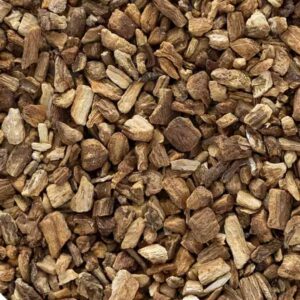
- Burdock Root
- Yellow Dock
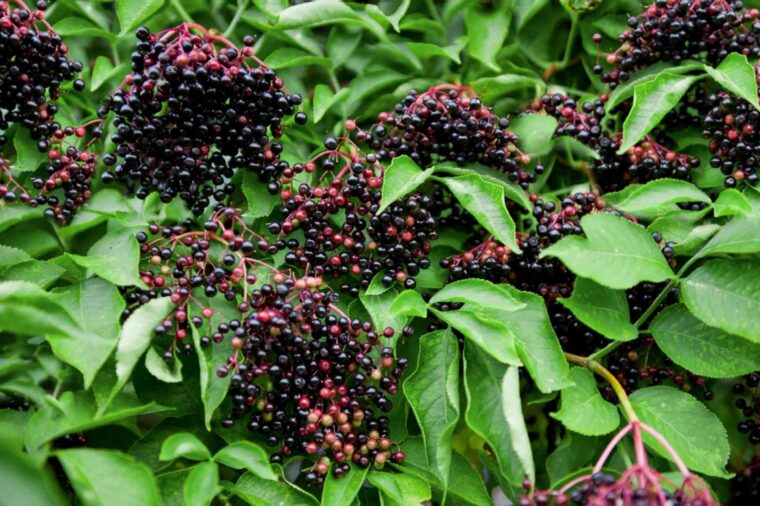
- Elderberry
Sarsaparilla and burdock root are traditionally valued as cleansing and nutritive botanicals, while yellow dock has a long history of use in herbal preparations associated with blood and digestive wellness. Elderberry contributes additional plant compounds and has traditionally been incorporated into botanical formulas.
Rather than viewing iron as a standalone nutrient, the biomineral approach emphasizes obtaining nourishment from whole plants and mineral-rich botanical sources.
Important: Anyone with suspected anemia or low iron should have appropriate laboratory testing and medical guidance.
2. Brain & Nervous System Rejuvenation
Examples: Banju / Nerve Support
This category brings together herbs traditionally used to promote relaxation, calmness, and a balanced nervous system.
The underlying philosophy is that supporting relaxation and restful sleep can contribute to overall physical and mental well-being. These botanicals have historically appeared in traditional herbal practices for their calming or soothing qualities.
Traditional Herbal Blend:
- Santa Maria / Feverfew
- Valerian Root
- Blue Vervain
- Chamomile
Valerian and chamomile are particularly well known in traditional herbalism for their relaxing qualities. Blue vervain has also been used traditionally in botanical preparations intended to support relaxation, while feverfew has a long history of use in herbal traditions.
This type of formula is best understood as a traditional botanical wellness preparation, rather than a treatment for neurological disorders, anxiety, depression, or other medical conditions.
3. Cellular Mineralization & Thyroid Support
Examples: Cell Food / Thyroid Support
Mineral nourishment is central to the biomineral philosophy. The approach emphasizes mineral-rich plants and sea vegetables as natural sources of nutrients that contribute to normal physiological processes.
Traditional Herbal Blend:
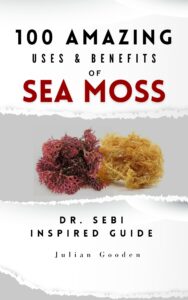
- Wildcrafted Irish Sea Moss
- Bladderwrack
Irish sea moss and bladderwrack are marine botanicals naturally containing a range of minerals and other compounds. They have traditionally been incorporated into mineral-focused preparations and are especially valued within sea-vegetable traditions.
The philosophy behind this category is that mineral nourishment begins with the quality and diversity of the foods and plants consumed.
The phrase “92 minerals” is sometimes used within Dr. Sebi-inspired wellness materials to describe the broad mineral spectrum believed to be present in nature.
Thyroid note: Sea vegetables can contain substantial iodine. Excessive iodine intake can affect thyroid function, so concentrated seaweed products should be used thoughtfully, particularly by individuals with thyroid conditions or those taking thyroid medication.
4. Colon & Digestive Cleansing
Examples: Chelation 2 / Bowel Cleanser
Digestive cleansing is another important element of traditional herbal cleansing systems. These formulas are generally designed around botanicals historically associated with bowel regularity and digestive elimination.
Traditional Herbal Blend:
- Cascara Sagrada
- Rhubarb Root
- Prodijiosa
- Blessed Thistle
These plants have different traditional applications. Cascara sagrada and certain preparations containing rhubarb root have historically been used as stimulant laxatives, while blessed thistle has traditionally been associated with digestive support.
Because stimulant laxative herbs can have significant effects on bowel function, this category requires particular care. These ingredients are not appropriate for prolonged or indiscriminate use.
A herbal bowel formula should not be presented as literally removing “impacted mucus” or physically detoxifying the intestinal tract. A more accurate wellness description is that certain herbs may support bowel movements and digestive elimination.
5. Lymphatic & Kidney Botanical Support
Examples: Lymphalin / Kidney Cleanse
The lymphatic and urinary systems play important roles in maintaining fluid balance and transporting or eliminating substances throughout the body.
Within traditional herbalism, certain botanicals are selected because of their historical association with lymphatic movement, urinary function, and fluid balance.
Traditional Herbal Blend:
- Hydrangea Root
- Guaco
- Chaparral
- Dandelion Root
Dandelion root is widely used in traditional herbal preparations, while the other botanicals have their own histories within regional and traditional plant medicine.
The term “kidney cleanse” should be understood as a traditional herbal concept, not as evidence that a formula can remove toxins from the kidneys or treat kidney disease.
People with kidney disease, fluid-retention problems, electrolyte disorders, or those taking prescription medications should consult a qualified healthcare professional before using concentrated herbal preparations.
Traditional Herbal Preparation Methods
The way an herb is prepared can influence which constituents are extracted into the final preparation. Traditional herbalism generally uses different preparation methods depending on the part of the plant being used.
| Formula Type | Traditional Method | Typical Preparation | Why It Is Used |
|---|---|---|---|
| Barks & Roots | Decoction | Simmer approximately 15-20 minutes | Harder plant material generally requires heat and longer extraction |
| Leaves & Flowers | Infusion | Steep approximately 10-15 minutes | Gentle steeping helps preserve aromatic and water-soluble constituents |
| Seaweeds | Soaking / Gel / Infusion | Soak, rinse and blend, or prepare as a warm infusion | Helps incorporate the mineral-rich sea vegetable into the preparation |
Decoctions: Roots, Barks & Dense Plant Material
Roots and bark are structurally denser than leaves and flowers. Traditional herbalists therefore commonly prepare them as a decoction.
The botanical material is placed in water and gently simmered, commonly for approximately 15-20 minutes depending on the herb and preparation. The liquid is then strained before use.
Examples include:
- Burdock root
- Sarsaparilla root
- Dandelion root
- Cascara sagrada
- Other dense roots and barks
Preparation time should always be adjusted according to the specific herb, because different botanicals have different safety considerations and extraction characteristics.
Infusions: Leaves & Flowers
Leaves and flowers are generally more delicate and are traditionally prepared as an infusion rather than being boiled for an extended period.
Hot water is poured over the plant material and the vessel is covered while the herbs steep, commonly for approximately 10-15 minutes.
Examples include:
- Chamomile
- Tulsi
- Linden
- Other delicate leaves and flowers
Keeping the infusion covered helps reduce the loss of volatile aromatic compounds during preparation.
Sea Moss & Bladderwrack
Sea vegetables such as Irish sea moss and bladderwrack are traditionally prepared differently from roots and leaves.
For sea moss, a common preparation involves:
- Thoroughly rinsing the sea moss.
- Soaking it in clean water.
- Blending the softened sea moss with water to create a gel.
- Refrigerating the prepared gel appropriately.
- Incorporating small amounts into foods or beverages as desired.
Bladderwrack may be prepared as a tea or incorporated into powdered or blended preparations, depending on the product and intended use.
Because sea vegetables can vary considerably in iodine and mineral content, sourcing and appropriate serving size are important.
The Biomineral Balance Philosophy
The central idea behind a biomineral approach is not simply to take individual herbs. It is to consider the body as an interconnected system and to emphasize plant-based nourishment, mineral diversity, digestive health, hydration, movement, rest, and whole-food nutrition.
Herbs can complement a healthy lifestyle, but they should not be represented as substitutes for diagnosis or treatment of disease.
At The African Biomineral Balance, our goal is to preserve and educate around traditional botanical practices while encouraging informed, responsible use of herbs.
A Note on Traditional Herbal Wellness
The information presented here describes traditional and Dr. Sebi-inspired herbal concepts. Traditional use does not necessarily establish that an herb or formula can prevent, diagnose, treat, or cure a medical condition.
Herbal products can have powerful physiological effects and may interact with medications or be inappropriate during pregnancy, breastfeeding, childhood, or certain medical conditions. Always review concentrated herbal formulas with a qualified healthcare professional when appropriate.
Natural does not automatically mean risk-free. Knowledge, quality sourcing, proper preparation, and responsible use are essential components of herbal wellness.
FAQ Section
What is Dr. Sebi’s herbal methodology?
Dr. Sebi’s herbal methodology refers to a plant-based wellness philosophy that emphasizes herbs, natural foods, sea vegetables, and mineral-rich botanical ingredients.
What herbs are associated with Dr. Sebi?
Dr. Sebi-inspired herbal preparations commonly feature botanicals such as sarsaparilla, burdock root, yellow dock, elderberry, bladderwrack, Irish sea moss, dandelion root, chamomile, and other traditional herbs.