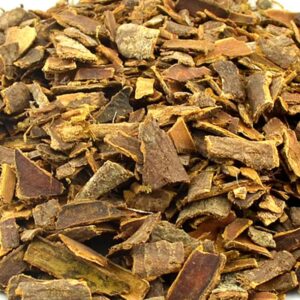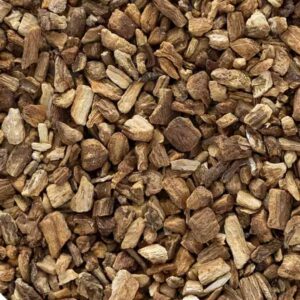




Cascara sagrada is one of the herb recognized as Dr. Sebi approved – this herbs was a one of the herbs used in Dr. Sebi’s Chelation 2 formula. The formula was primarily designed to cleanse and strengthen the intestines / colon.
Dr. Sebi also spoke about using this herb to heal a client experiencing mental illness. He spoke about it – you can view this in the second part of this video, This special video emphasized the gut and brain connection is in a very simple way. However, in the earlier part of the video, the focus is on 7 other benefits and uses of Cascara sagrada.
Cascara Sagrada, often called “sacred bark,” is one of the most powerful tools in the alkaline herbalist’s toolkit. When using it, the focus is always on non-hybrid, electric botanical support for the body’s natural elimination processes.
Here are 7 key benefits of Cascara Sagrada:
1. Natural Laxative Support
The primary compounds in the bark, called anthraquinones, stimulate “peristalsis” – the wave-like contractions of the large intestine. This helps move waste through the system efficiently.
2. Deep Colon Cleansing
Unlike synthetic laxatives that can be harsh, Cascara Sagrada is traditionally used to help break up old, impacted waste (mucoid plaque) along the intestinal walls, supporting a more thorough internal “spring cleaning.”
3. Liver and Gallbladder Stimulation
It encourages the production of bile, which is essential for digesting fats and filtering toxins. By supporting bile flow, it indirectly helps the liver perform its detoxification duties more effectively.
4. Toning the Intestinal Muscles
One of its unique properties is that it doesn’t just “force” a movement; it actually helps tone and strengthen the smooth muscles of the intestinal tract over time, which can be helpful for those with a “sluggish” digestive system.
5. Promoting Alkalinity through Waste Removal
In the alkaline bio-mineral balance approach, disease often stems from mucus and stagnation. By ensuring the bowels move regularly, you are preventing the fermentation of waste that leads to acidity in the blood.
6. Antibacterial and Antifungal Properties
The bark contains natural compounds that may help inhibit the overgrowth of harmful bacteria and fungi in the gut, helping to maintain a more balanced internal environment.
7. Rich in Electric Minerals
As a wild-crafted bark, it contains trace minerals that the body can easily recognize and utilize, supporting the electrical affinity between the plant and the human biological structure.
Important Notes:
- The Aged Rule: The bark must be aged for at least one year. Fresh bark contains a substance called emodin that can cause intense cramping or vomiting.
- Hydration: Drink plenty of spring water when using Cascara, as the herb draws moisture into the colon to facilitate movement.
- Consistency: It’s best used as a short-term reset rather than a daily permanent supplement.
Cáscara Sagrada Tea (Traditional Preparation)
Ingredients
- 1-2 teaspoons dried cáscara sagrada bark (aged at least 1 year)
- 1 cup (240 ml) water
Method
- Bring water to a gentle boil.
- Add the cáscara bark.
- Reduce heat and simmer for 10-15 minutes.
- Remove from heat and let it steep for another 10 minutes.
- Strain and drink.
How to Use
- Best taken in the evening, as it typically works within 6-12 hours.
- Start with a small amount (1 cup, weak strength) to assess tolerance.
Critical Notes
Cáscara sagrada is potent and should be used specifically:
- Short-term use only (generally 5-7 days)
- Overuse can lead to:
- Electrolyte imbalance
- Dependency (bowels stop functioning normally without it)
- Cramping
- Avoid if:
- Pregnant or breastfeeding
- You have conditions like Irritable Bowel Syndrome, Crohn’s Disease, or intestinal obstruction
- You’re dehydrated or already have diarrhea
Practical Perspective (Important)
From a holistic standpoint (including approaches like the African Bio-mineral Balance), cáscara is not a long-term solution.
For sustained colon health, you’d typically focus more on:
- Hydration
- Mineral-rich alkaline plant foods
- Mucilaginous herbs (e.g., okra, sea moss etc)
References
- National Institutes of Health (NIH) – LiverTox: Cascara Sagrada
- U.S. National Library of Medicine – Anthraquinone Laxatives and Colon Function
- PubMed – Studies on cascarosides (active compounds in cascara)
- European Medicines Agency (EMA) – Assessment Report on Rhamnus purshiana (Cascara)
- World Health Organization (WHO) – Monographs on Selected Medicinal Plants
- National Center for Complementary and Integrative Health (NCCIH) – Herbal Laxatives Overview