


Understanding Fluid Retention from an Alkaline Perspective
Under the framework of the African Biomineral Balance, disease is not viewed as a collection of isolated, local symptoms but as a single, systemic issue: the manifestation of excess mucus, acidity, and mineral deficiency that compromises cellular integrity.
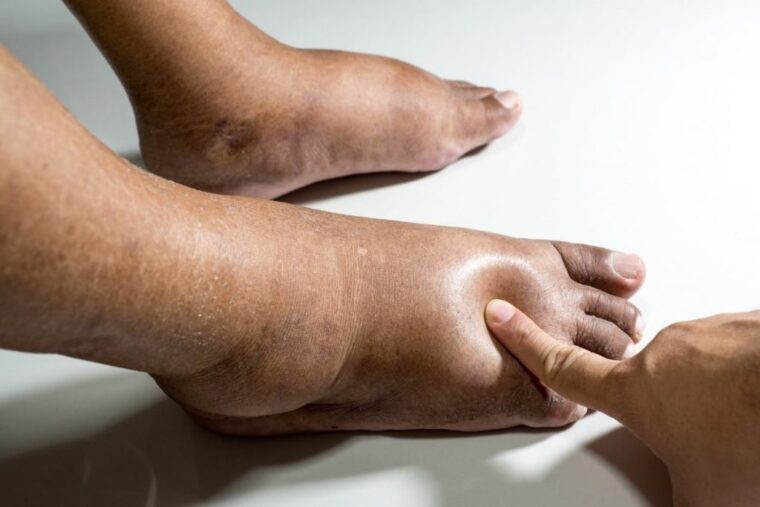
When addressing edema (fluid retention and swelling), this approach looks past the surface accumulation of water to target the underlying stagnation within the lymphatic and metabolic systems. In this philosophy, fluid retention occurs when the body’s natural drainage pathways become obstructed by mucus-forming foods, preventing cells from maintaining their proper electrical and mineral equilibrium.
1. Eliminate Mucus-Forming and Acidic Triggers
The first and most critical step in this methodology is removing the substances that cause systemic inflammation, vascular constriction, and metabolic waste buildup.
- Commercial/Refined Iodized Salt: Conventional sodium chloride causes acute cellular fluid retention and places heavy stress on the kidneys.
- Starch and Complex Mucus-Binders: Hybridized, high-starch foods (such as conventional wheat, potatoes, or corn) are viewed as glue-like substances that clog the lymphatic pathways and sluggish the elimination of interstitial fluids.
- Animal Protein and Dairy: These are classified as highly acidic, leaving metabolic residues that disrupt the blood’s delicate pH and force the tissues to hold onto fluid to dilute the acidity.
2. Restore Alkaline Hydration and Mineralization
To move stagnant fluid, the body requires natural, intra-cellular hydration paired with specific organic minerals that regulate osmotic pressure (the balance of fluids inside and outside of cells).
- Intracellular Hydration: Drinking ample quantities of natural spring water (pH 7.5 or higher) is essential. In this methodology, structured water helps flush out stagnant waste, whereas distilled or chemically treated tap waters lack the vital electrical charge needed for cellular cleansing.
- True Sodium/Potassium Balance: Instead of commercial salt, the approach utilizes mineral-dense, wild-harvested alternatives like sea salt or sea vegetables (such as bladderwrack or wildcrafted sea moss). These provide a complete spectrum of organic minerals, including potassium, which naturally regulates and pumps excess fluid out of the tissues without straining the cardiovascular system.
3. Targeted Botanical Protocols
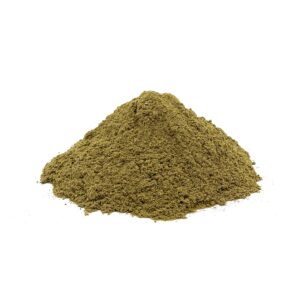
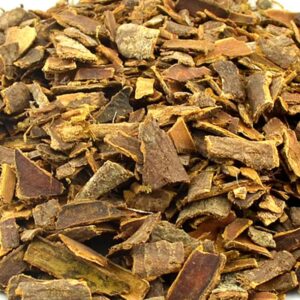
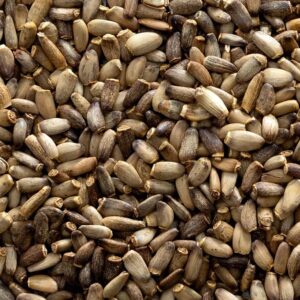
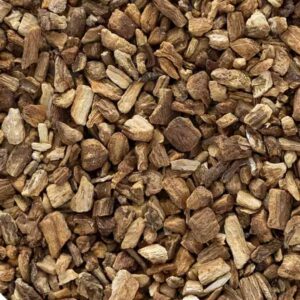
The African Biomineral Balance utilizes non-hybrid, wild-harvested plants rich in organic iron phosphates and potassium to cleanse the lymphatic system, strengthen the kidneys, and safely promote elimination (diuresis). Key botanicals often utilized in this context include:
- Burdock Root (Arctium lappa): A premier blood and lymphatic purifier. It aids the liver and kidneys in filtering out the metabolic debris that contributes to localized swelling.
- Dandelion (Taraxacum officinale): Known specifically as a highly effective natural diuretic. Unlike conventional diuretics that deplete the body of potassium, dandelion is exceptionally high in organic potassium, ensuring the body’s mineral balance remains completely stable during fluid elimination.
- Hydrangea Root (Hydrangea arborescens): Often used to support kidney filtration, helping to clear out calcium deposits or obstructions that slow down the urinary tract’s ability to expel excess fluids.
- Sarsaparilla (Smilax species): Packed with saponins, it is highly valued for its ability to bind to toxins in the bloodstream and promote elimination through the skin and kidneys.
4. Activating the Lymphatic System
Because the lymphatic system does not have a central pump like the heart, fluid return relies entirely on movement and internal pressure changes.
- Nutritional Support for Flow: Consuming mucolytic (mucus-breaking) alkaline foods – such as watercress, seeded grapes, and leafy greens from the approved nutritional guide – helps thin the lymphatic fluid so it can move freely.
- Physical Activation: Gentle movement, deep diaphragmatic breathing, and targeted botanical tonics work together to ensure that once the cells release excess water, the channels of elimination (the colon, kidneys, and skin) are fully open to move it out of the body permanently.