



In this article we look at Dr Sebi herbs for cardiovascular health. In the teachings of Dr. Sebi and the philosophy of the African Biomineral Balance, cardiovascular vitality is not viewed in isolation. Instead, heart health is considered deeply interconnected with the state of the blood, systemic inflammation, and the body’s overall mineral balance. Rather than merely managing symptoms, this methodology focuses on “cleansing the blood,” nourishing the vascular walls, and maintaining an alkaline environment where the cardiovascular system can thrive.
Within this framework, specific herbs are utilized to support the heart, blood vessels, and circulation. These botanicals range from gentle, daily blood-builders to highly potent, specialized cardiotonics.
1. The Blood Purifiers and Systemic Cleaners
Before addressing the heart muscle itself, the alkaline approach emphasizes easing the workload on the cardiovascular system by purifying the fluid it pumps.
Sarsaparilla (Smilax ornata)
Sarsaparilla is a cornerstone herb in alkaline botanical protocols, highly valued for its high concentration of iron fluorine.
- The Mechanism: Iron fluorine is considered a highly bioavailable, organic form of iron. By supporting healthy red blood cell production and helping to filter systemic toxins, sarsaparilla promotes cleaner, more oxygen-rich blood.
- Cardiovascular Impact: Cleaner blood with optimal oxygen-carrying capacity reduces the physical strain and pumping resistance on the heart muscle.
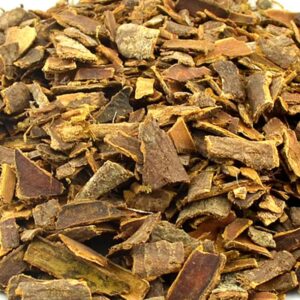
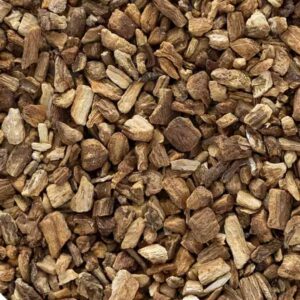
Burdock Root (Arctium lappa)
- Widely utilized for its deep systemic cleansing properties, burdock root acts as a natural diuretic and lymphatic purifier.
- The Mechanism: Burdock helps eliminate metabolic waste, excess fluids, and heavy metals through the lymphatic and urinary systems.
- Cardiovascular Impact: By gently removing excess fluid from the bloodstream, it naturally helps support healthy blood pressure levels and reduces overall vascular tension.
2. The Vascular and Tension Relievers
To support the physical structure of the cardiovascular system, specific herbs are used to strengthen tissues and ease the tension of the nervous system.
Hawthorn Berry (Crataegus)
A classic botanical for cardiovascular integrity, hawthorn berry is rich in bioflavonoids, proanthocyanidins, and antioxidants.
- The Mechanism: It directly nourishes the physical structure of the heart and blood vessels, promoting collagen synthesis and protecting arterial walls from oxidative stress.
- Cardiovascular Impact: Hawthorn helps improve blood flow through the coronary arteries, strengthens the force of cardiac contractions, and supports long-term arterial elasticity.
Linden Flower (Tilia)
Linden flower directly addresses the physiological relationship between emotional stress, the nervous system, and the heart.
- The Mechanism: Acting as a gentle nervine and natural vasodilator, linden relaxes the smooth muscle tissue of the blood vessels.
- Cardiovascular Impact: By dilating blood vessels and calming a hyperactive sympathetic nervous system, linden assists the body in naturally managing stress-induced spikes in blood pressure.
3. High-Potency and Glandular Regulators
Some herbs mentioned in advanced cardiovascular protocols possess highly active chemical compounds. These botanicals are incredibly powerful but require a high level of respect, precision, and caution.
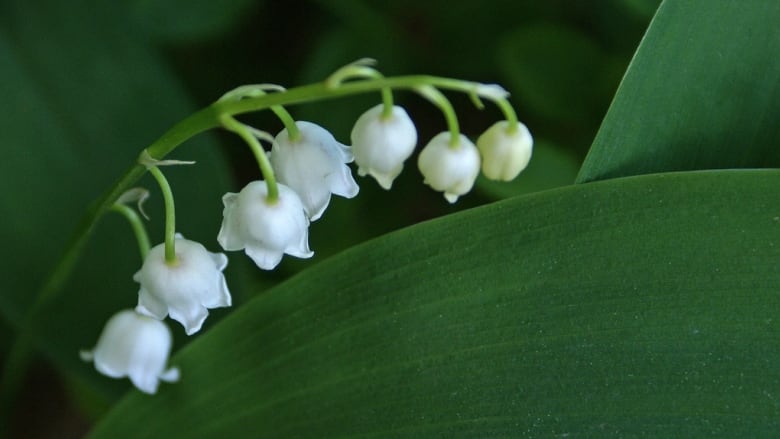
Lily of the Valley (Convallaria majalis)
Historically integrated into restorative alkaline compounds – such as the traditional 26-herb Maya formula – Lily of the Valley is a highly specialized cardiotonic. Dr. Sebi related in a lecture how he used Lili-of-the-Valley to cure a man name Chico who was suffering from congestive heart failure. He relayed how he used the tincure to eventually cure the man. It is important to point out that Dr. Sebi always emphasized fasting and alkaline foods as as necessary parts of the healing journey.
- The Mechanism: It contains powerful cardiac glycosides (specifically convallatoxin). These compounds exert a positive inotropic effect, meaning they increase the force of the heart’s contractions while simultaneously slowing down and stabilizing a rapid or erratic heart rate.
- Cardiovascular Impact: It allows a struggling or weakened heart muscle to pump blood far more efficiently without demanding excess oxygen.
⚠️ Critical Safety Note: Lily of the Valley is a low-dose, highly potent botanical. Because cardiac glycosides accumulate in the body and can easily cause toxicity, it is never consumed as a casual tea. It should only be used in professionally formulated, precisely measured micro-doses under direct professional supervision.
Bugleweed (Lycopus virginicus)
Bugleweed is a native mint-family herb that targets the intersection of nervous tension, glandular activity, and heart rate.
The Mechanism: It acts as a natural cardiac and vascular sedative. Furthermore, its organic acids (such as lithospermic acid) inhibit thyroid-stimulating hormone (TSH).
- Cardiovascular Impact: Bugleweed excels at calming a racing, frantic pulse and relieving palpitations, particularly when triggered by anxiety, stress, or an overactive thyroid (hyperthyroidism).
Critical Safety Note: Because bugleweed actively suppresses thyroid activity, it should not be used by individuals with an underactive thyroid (hypothyroidism) or those taking synthetic thyroid medications.
Alkaline Cardiovascular Herb Profile
| Botanical | Primary Action | Target Area / Condition | Key Active Compound / Mineral |
| Sarsaparilla | Blood purifier & iron builder | General circulation, low iron, high toxic load | Iron Fluorine |
| Burdock Root | Lymphatic cleaner & diuretic | Fluid retention, vascular pressure | Inulin & active minerals |
| Hawthorn Berry | Heart muscle strengthener | Weak pulse, arterial stiffness | Bioflavonoids & antioxidants |
| Linden Flower | Vasodilator & mild sedative | Stress-induced high blood pressure | Volatile oils & flavonoids |
| Lily of the Valley | High-potency cardiotonic | Myocardial weakness, valve support | Cardiac glycosides (highly potent) |
| Bugleweed | Cardiac sedative & thyroid regulator | Palpitations, rapid heart rate, nervous tension | Lithospermic acid |
Integrating Botanical Support Safely
While these herbs offer profound ancestral and systemic benefits, their potency highlights the importance of safety. Botanicals that influence heart rate, blood pressure, or fluid balance can interact strongly with conventional cardiovascular medications (such as blood thinners, beta-blockers, or diuretics).
When working with deep-cleansing or heart-supportive herbs, it is always recommended to consult with a qualified herbalist or healthcare professional to ensure a safe, balanced, and highly personalized approach to wellness.