

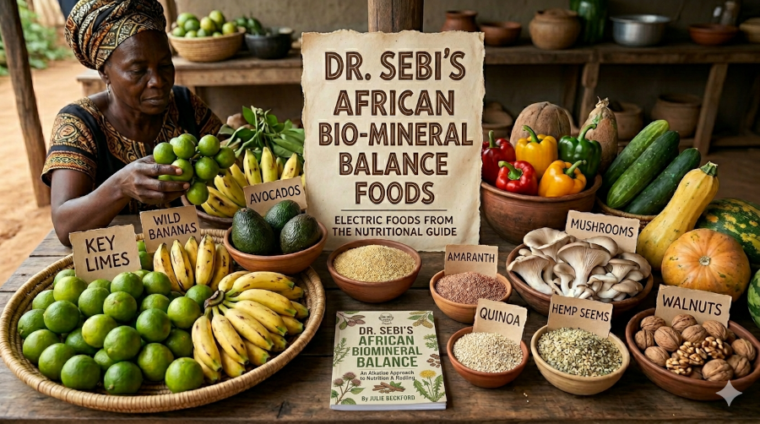


Why Choose the African Biomineral Balance Lifestyle
In an age where chronic illness, fatigue, and nutritional confusion are increasingly common, many people are searching for a system that offers clarity, simplicity, and results. The African Biomineral Balance lifestyle presents itself as more than just a diet – it is a lifestyle rooted in natural living, cellular nourishment, and alignment with the body’s original design.
Returning to the Body’s Natural State
At its core, the African Biomineral Balance is based on the principle that the human body thrives when it is in an alkaline, mineral-rich state. From this perspective, disease does not arise randomly but develops when the internal environment becomes overly acidic and deficient in essential minerals.
This lifestyle emphasizes foods that support the body’s natural electrical and biochemical functions – primarily plant-based, non-hybrid, and naturally occurring foods. The idea is simple: when the body is given what it truly needs, it can repair, regenerate, and maintain itself more effectively.
Mineral Density Over Empty Calories
One of the strongest arguments for adopting this lifestyle is its focus on mineral density rather than caloric intake alone. Modern diets often prioritize macronutrients – proteins, fats, and carbohydrates – while overlooking micronutrients, especially minerals.
Minerals are fundamental to:
- Cellular function
- Oxygen transport
- Nervous system signaling
- Detoxification processes
Without adequate minerals, even a “calorie-rich” diet can leave the body undernourished. The African Biomineral Balance approach prioritizes foods such as leafy greens, sea vegetables, and alkaline fruits that naturally contain these essential elements.
Reducing the Burden on the Body
Many processed and hybrid foods introduce substances that the body struggles to metabolize efficiently. This can lead to mucus buildup, toxicity, and inflammation. The African Biomineral Balance lifestyle seeks to reduce this burden by eliminating or minimizing:
- Highly processed foods
- Artificial additives
- Hybridized or genetically modified produce
- Excess starches and mucus-forming foods
By simplifying the diet, the body can redirect energy from digestion and detoxification toward healing and maintenance.
A Holistic Approach to Wellness
This lifestyle is not limited to food. It extends into a broader view of living that includes:
- Proper hydration with natural spring or alkaline water
- Regular detoxification practices
- Connection with nature
- Mental and emotional balance
The idea is that true health cannot be achieved through diet alone – it requires alignment across physical, mental, and environmental factors.
Clarity in a Confusing Nutritional Landscape
One of the challenges many people face today is the overwhelming amount of conflicting dietary advice. Keto, paleo, vegan, high-protein, low-carb – the list goes on. The African Biomineral Balance offers a structured framework that removes much of this confusion by clearly defining which foods are supportive and which are not.
This clarity can be especially valuable for individuals who feel lost or frustrated after trying multiple dietary approaches without lasting success.
Supporting Detoxification and Renewal
A key component of the lifestyle is detoxification. Rather than viewing detox as a short-term cleanse, it is approached as an ongoing process of removing accumulated waste and toxins from the body.
By consuming alkaline, mineral-rich foods and herbal support, the body is encouraged to:
- Eliminate excess mucus
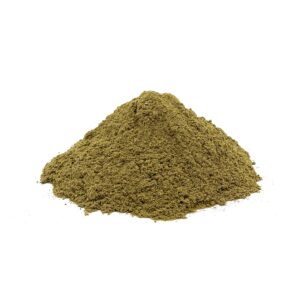
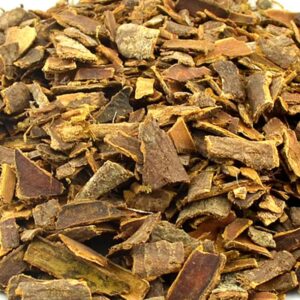
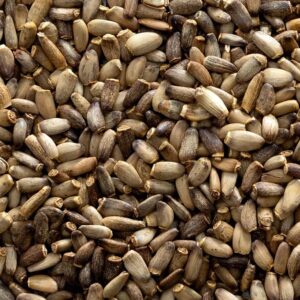
- Cleanse the colon and lymphatic system
- Improve circulation
- Enhance cellular regeneration
Over time, this can lead to increased energy, clearer skin, improved digestion, and overall vitality.
Cultural and Ancestral Alignment
Another important aspect is its connection to traditional, natural ways of eating that predate modern industrial food systems. The lifestyle draws inspiration from indigenous and ancestral diets that were based on whole, unprocessed foods grown in harmony with nature.
For many, this creates a sense of cultural reconnection and authenticity – returning to a way of living that feels more in tune with the body’s original environment.
Is It for Everyone?
While the African Biomineral Balance lifestyle offers many potential benefits, it is also a disciplined approach that may require significant changes in habits, food sourcing, and mindset. Access to certain recommended foods and herbs can also vary depending on location.
It is not a quick fix – it is a long-term commitment to a different way of living.
Final Perspective
Choosing the African Biomineral Balance lifestyle is ultimately about prioritizing internal balance, simplicity, and natural nourishment. It challenges many conventional ideas about food and health, but for those willing to explore it deeply, it offers a structured path toward greater awareness of what the body truly needs.
Rather than chasing trends, it invites a return to fundamentals: clean food, rich minerals, and alignment with nature.

References
Foundational & Lifestyle-Based Sources
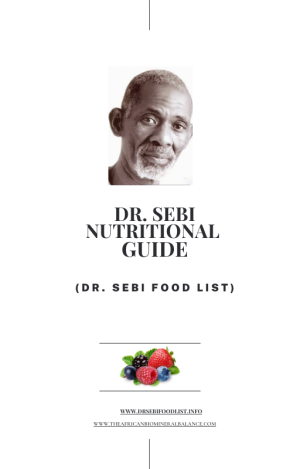
- Dr.Sebi (Alfredo Darrington Bowman) teachings and nutritional guide (African Bio-mineral Balance framework) – Lectures, Interviews etc.
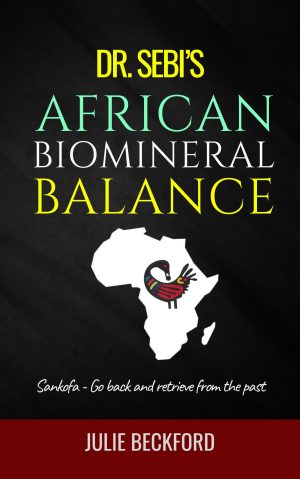
- Beckford, J. Dr. Sebi’s African Bio-Mineral Balance (recommended for structured interpretation of the lifestyle principles)
Nutritional Science & Plant-Based Diet Research
- World Health Organization – Healthy diet guidelines
- Harvard T.H. Chan School of Public Health – Plant-based diet and micronutrient research
- National Institutes of Health – Micronutrients and mineral function
Acid-Base Balance & Human Physiology
- Acid–base homeostasis – Regulation of blood pH by lungs and kidneys
- pH scale – Understanding acidity and alkalinity
Detoxification & Metabolic Function
- Liver function – Detoxification pathways
- Kidney function – Filtration and waste removal
Mineral Nutrition
- Micronutrients – Essential minerals and trace elements
- Electrolytes – Role in cellular signaling and hydration